Die beste Software für das Lieferantenmanagement: So wählen Sie die richtige Plattform
Erfahren Sie, wie Sie die optimale Lieferantenmanagement-Software für Onboarding, Compliance, Leistungstransparenz und die langfristige Zusammenarbeit mit Lieferanten auswählen.
15Min. Lesezeit
BeitragVon:
TradeBeyond Team
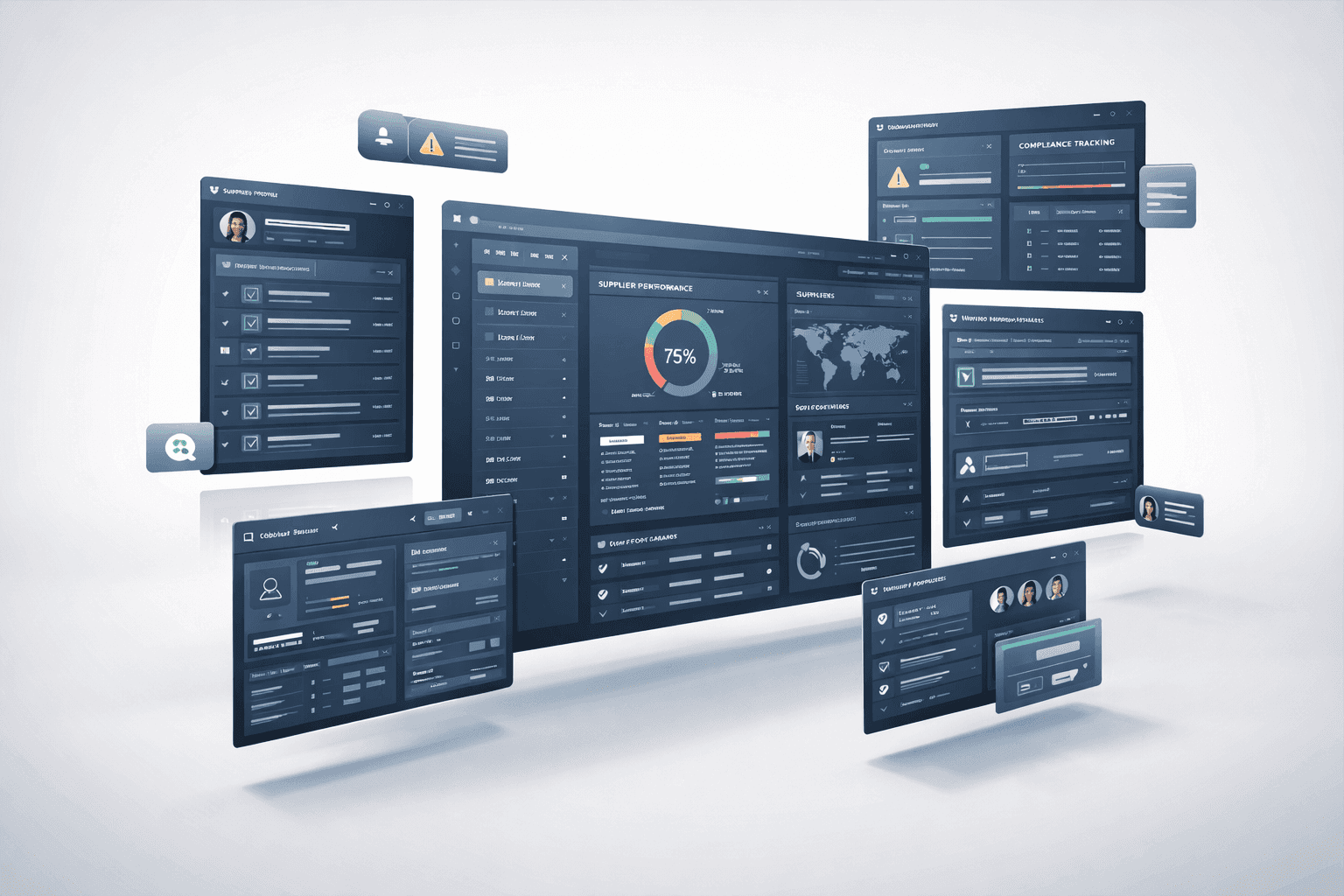
Viele Unternehmen beginnen die Suche nach einer Lieferantenmanagement-Software nicht, weil sie ein weiteres System einführen möchten. Der Impuls entsteht meist, weil Lieferantendaten, Onboarding-Workflows, Compliance-Dokumente und Leistungsdaten über Tabellen, E-Mail-Verläufe, freigegebene Ordner und isolierte Tools verstreut sind. Mit wachsenden Lieferantennetzwerken erschwert dieser fragmentierte Ansatz die Transparenz, die Audit-Bereitschaft und eine konsistente Steuerung der Lieferantenleistung.
Aus diesem Grund ist die Wahl der richtigen Lieferantenmanagement-Software von entscheidender Bedeutung. Führende Plattformen leisten mehr als nur die Digitalisierung des Lieferanten-Onboardings. Sie unterstützen Unternehmen dabei, Lieferantendaten zu zentralisieren, die Compliance-Transparenz zu verbessern, Workflows zu standardisieren und eine verlässliche Grundlage für die langfristige Steuerung der Lieferantenleistung und die Zusammenarbeit mit Lieferanten zu schaffen.
Dieser Leitfaden zeigt auf, welche Bereiche eine professionelle Lieferantenmanagement-Software abdecken sollte, worauf bei der Evaluierung von Plattformen zu achten ist und welche Anbieter je nach strategischer Priorität in die engere Wahl gezogen werden sollten.

Was ist Lieferantenmanagement-Software?
Lieferantenmanagement-Software ist darauf ausgelegt, Unternehmen bei der strukturierten Verwaltung von Lieferanteninformationen, Onboarding-Prozessen, Compliance-Dokumenten, Workflows und der kontinuierlichen Lieferantenleistung zu unterstützen.
Für manche Unternehmen beginnt dies mit einer Software für das Lieferanten-Onboarding: der effizienten Erfassung von Lieferantendaten, der Steuerung von Freigabeprozessen und der schnelleren Aktivierung von Lieferanten. In vielen Organisationen reicht das Lieferantenmanagement jedoch weit über die reine Einrichtung hinaus. Es umfasst ebenso das Lieferantendatenmanagement, die Dokumentenkontrolle, die Compliance-Überwachung, Leistungstransparenz und die kontinuierliche Zusammenarbeit über den gesamten Lebenszyklus des Lieferanten hinweg.
Diese Unterscheidung ist bei der Software-Evaluierung wesentlich. Ein Tool, das lediglich das Onboarding optimiert, löst zwar ein punktuelles Problem, bietet dem Unternehmen jedoch bei zunehmender Komplexität der Lieferantennetzwerke oft nicht die erforderliche Transparenz, Kontrolle oder Kontinuität.
Warum manuelle Prozesse im Lieferantenmanagement an ihre Grenzen stoßen
Ein manuelles Lieferantenmanagement kann anfangs funktionieren, solange die Lieferantenbasis klein und die Prozesse überschaubar sind. Sobald Unternehmen jedoch mehr Lieferanten, geografische Regionen, Dokumentationsanforderungen und abteilungsübergreifende Workflows koordinieren müssen, erzeugen Spreadsheets und E-Mails Ineffizienzen statt Kontrolle.
Das Onboarding verzögert sich. Lieferantendaten weichen zwischen verschiedenen Teams ab. Dokumente lassen sich im Laufe der Zeit schwerer nachverfolgen. Freigaben sind intransparent. Die Leistungsüberwachung erfolgt fragmentiert, und Compliance-Lücken werden leichter übersehen.
Das eigentliche Problem ist nicht nur die Ineffizienz, sondern der Mangel an einer gemeinsamen Datenbasis. Wenn Lieferantendaten, Zertifikate, Freigaben und Leistungsbewertungen an unterschiedlichen Orten abgelegt sind, fehlt den Teams ein konsistenter Überblick über den Status, die Compliance und das Risiko der Lieferanten. An diesem Punkt hilft eine Ausweitung manueller Prozesse nicht mehr weiter. Es bedarf einer Plattform, die Lieferantendaten, Workflows und die laufende Überwachung in einem einheitlichen Betriebsmodell zentralisiert.
Welche Kernbereiche eine führende Lieferantenmanagement-Software abdecken sollte
Eine leistungsstarke Software für das Lieferantenmanagement muss weit mehr als nur die Erstanlage von Lieferanten unterstützen. Sie sollte Unternehmen gezielt in fünf kritischen Bereichen entlasten:
1. Lieferanten-Onboarding und -Qualifizierung
Die Plattform sollte die Erfassung von Lieferantendaten vereinfachen, Onboarding-Schritte standardisieren, Freigabepfade automatisieren und Lieferanten mit minimalem manuellem Aufwand aktivieren.
2. Zentraler Datenstamm
Lieferantenprofile, Stammdaten, Dokumente, Fragebögen und Statusberichte müssen an einer einzigen, verlässlichen Stelle zusammenlaufen. Ohne diese Konsolidierung bleibt die Lieferantentransparenz lückenhaft.
3. Compliance- und Dokumentenmanagement
Die Software muss Teams in die Lage versetzen, compliance-relevante Dokumente wie Zertifikate und Nachweise effizient einzufordern, zu prüfen, revisionssicher zu archivieren und kontinuierlich auf ihre Gültigkeit zu überwachen.
4. Transparenz über die Lieferantenleistung
Herausragende Plattformen bieten weit mehr als eine reine Datenablage; sie unterstützen eine systematische Leistungsüberwachung, Reporting und Scorecards. Unternehmen benötigen präzise Werkzeuge, um die Lieferantenleistung und Entwicklungstrends im Blick zu behalten.
5. Langfristige und partnerschaftliche Zusammenarbeit
Das Lieferantenmanagement endet nicht mit dem Onboarding. Die Software muss die kontinuierliche Zusammenarbeit zwischen Einkauf, Compliance, Qualitätsmanagement, Logistik und den Schnittstellen auf Lieferantenseite nahtlos unterstützen.

Kriterien für die Evaluierung von Lieferantenmanagement-Software
Nicht jede Plattform ist für denselben Anwendungsfall konzipiert. Einige Tools überzeugen primär beim Onboarding und den Freigabeprozessen, während andere für ein umfassendes Lieferanten-Lifecycle-Management, anspruchsvolle Compliance-Workflows oder eine detaillierte Leistungsüberwachung optimiert sind.
Konzentrieren Sie sich bei der Evaluierung auf folgende Kernkriterien:
Zentraler Lieferantenstamm (Single Source of Truth)
Kann die Plattform nicht als verlässliche, zentrale Quelle für Lieferantendaten, -dokumente und -status dienen, lässt sich eine signifikante Verbesserung der Transparenz kaum realisieren.
Flexibilität der Workflows
Unternehmen unterscheiden sich in ihren Onboarding-Kriterien, Freigabepfaden und Bewertungsprozessen. Konfigurierbare Workflows sind daher eine Grundvoraussetzung – insbesondere für global agierende Organisationen mit mehreren Standorten oder Marken.
Dokumentenerfassung und Fristenüberwachung
Compliance-Risiken entstehen im Lieferantenmanagement meist dann, wenn Dokumente zwar einmalig erhoben, danach aber nicht mehr aktualisiert werden. Leistungsstarke Software muss den gesamten Prozess von der Dokumentenanforderung über die Validierung bis hin zur automatisierten Wiedervorlage bei Ablauf unterstützen.
Leistungsbewertung und Scorecards
Entscheiden Sie sich für Lösungen, die eine kontinuierliche Leistungsüberwachung, KPI-Transparenz und systematische Bewertungen ermöglichen, anstatt sich auf eine rein statische Lieferantenverwaltung zu beschränken.
Risiko- und Compliance-Steuerung
Sofern Compliance, Audit-Bereitschaft oder Risikominimierung kritische Faktoren für Ihr Unternehmen darstellen, muss die Plattform tiefe Einblicke in den Lieferantenstatus, die zugehörigen Nachweise und die entsprechenden Kontrollprozesse bieten.
Systemkompatibilität und Integration
Einige Unternehmen suchen nach einer spezialisierten Stand-alone-Lösung für das Lieferantenmanagement. Andere benötigen eine tiefe Integration in den strategischen Einkauf, das Sourcing, die Qualitätssicherung oder die übergeordnete Lieferkette. Die Wahl hängt maßgeblich von Ihrem operativen Geschäftsmodell ab.
Führende Anbieter von Lieferantenmanagement-Software im Überblick
Die folgende Auswahl umfasst Plattformen mit nachgewiesenen Stärken in den Bereichen Lieferanten-Onboarding, Lifecycle-Management, Compliance-Sicherung, Leistungstransparenz sowie der Integration in Einkaufs- und Logistikprozesse. Die optimale Lösung richtet sich danach, ob Ihr Fokus primär auf der Onboarding-Geschwindigkeit, der Compliance-Kontrolle, der Lieferantenleistung oder der durchgängigen Transparenz im gesamten Betriebsmodell liegt.
TradeBeyond
TradeBeyond ist eine erstklassige Option für Einzelhändler und Marken, die ihr Lieferantenmanagement eng mit einem weitreichenden Import- und Supply-Chain-Betriebsmodell verknüpfen wollen. Die Plattform eignet sich besonders für Unternehmen mit komplexen globalen Beschaffungsnetzwerken, die Lieferantenmanagement direkt mit Prozessen wie Compliance, PLM, Kalkulation, Auftragsabwicklung, Qualitätssicherung, Rückverfolgbarkeit und Transport-Workflows verbinden möchten.
Ideal für: Einzelhändler, Marken und importorientierte Unternehmen, die ihr Lieferantenmanagement nahtlos in Sourcing und Supply Chain Execution integrieren wollen.
Herausragende Stärken: Multi-Tier-Transparenz, hochgradig automatisiertes Onboarding, tiefe Integration in die Handelslieferkette.
Mögliche Einschränkung: Unternehmen, die ein schlankes, reines Einkaufstool suchen, benötigen den umfassenden Funktionsumfang dieser Plattform eventuell nicht im vollen Umfang.
SAP Ariba
SAP Ariba bietet eine etablierte Suite für das Lieferantenmanagement, die den gesamten Lebenszyklus, die Leistung, Compliance sowie Risikoaspekte abdeckt. Sie eignet sich hervorragend für Großunternehmen, die ihr Lieferantenmanagement eng an übergeordnete Einkaufs- und Spend-Management-Prozesse anbinden möchten.
Ideal für: Großkonzerne mit hochkomplexen Beschaffungsstrukturen.
Herausragende Stärken: Umfassende Abdeckung des Lieferantenlebenszyklus, starkes Risikomanagement, hervorragende Eignung für Enterprise-Umgebungen.
Mögliche Einschränkung: Für schlanke Teams, deren Fokus lediglich auf dem Onboarding oder der Dokumentensammlung liegt, unter Umständen zu komplex und überdimensioniert.
Coupa
Coupa ist eine hervorragende Wahl für Unternehmen, die das Onboarding sowie das Risiko- und Performance-Management ihrer Lieferanten direkt in eine umfassende Plattform für das Spend Management integrieren möchten. Die Lösung eignet sich besonders, wenn hohe Transparenz und Kontrolle über Lieferantenrisiken innerhalb eines breiteren Beschaffungssystems gefordert sind.
Ideal für: Organisationen, die ihr Lieferantenmanagement eng mit ihren Ausgaben- und Risikoprozessen verzahnen wollen.
Herausragende Stärken: Effizientes Lieferanten-Onboarding, kontinuierliches Risikomonitoring, Einbettung in ein ganzheitliches Ausgabenmanagement.
Mögliche Einschränkung: Teams, die ein hochspezialisiertes Stand-alone-System für das Lieferantenmanagement suchen, bevorzugen oft fokussiertere Nischenanbieter.
Ivalua
Ivalua eignet sich ideal für Unternehmen, die ein ganzheitliches Lieferanten-Lifecycle-Management mit einem starken Fokus auf Risiko, Leistung und strategische Zusammenarbeit suchen. Die Plattform unterstützt anspruchsvolle Modelle der Lieferantenbeziehung.
Ideal für: Unternehmen, die einen strategischen, auf Zusammenarbeit ausgerichteten Ansatz für den Lieferantenlebenszyklus verfolgen.
Herausragende Stärken: Hohe Funktionstiefe im Lifecycle-Management, kollaborative Tools, starker Fokus auf Risiko und Performance.
Mögliche Einschränkung: Eignet sich eher für Organisationen, die bereits etablierte, strategische Prozesse im Lieferantenmanagement besitzen, weniger für Unternehmen, die nur ein einfaches Onboarding-Tool suchen.
JAGGAER
JAGGAER ist eine bewährte Lösung für Unternehmen, die ein geführtes Onboarding, flexible Workflows und ein strukturiertes Lieferanten-Performance-Management etablieren möchten. Sie ist ideal für Einkaufsteams, die sowohl das Onboarding als auch die laufende Lieferantensteuerung standardisieren wollen.
Ideal für: Einkaufsorganisationen, die ein strukturiertes Onboarding mit einem KPI-basierten Lieferantenmonitoring kombinieren wollen.
Herausragende Stärken: Benutzerfreundliches Lieferantenportal, hochgradig konfigurierbare Workflows, präzises Performance-Tracking.
Mögliche Einschränkung: Je nach Unternehmensgröße und Anforderungen kann der Implementierungsaufwand für sehr eingegrenzte Anwendungsfälle unverhältnismäßig hoch sein.
GEP SMART
GEP SMART empfiehlt sich für Unternehmen, die Lieferantendaten und das Performance-Management innerhalb einer integrierten Einkaufstechnologie abbilden möchten. Die Lösung eignet sich besonders zur Gewährleistung hoher Datenqualität und Transparenz im operativen Einkauf.
Ideal für: Unternehmen, die höchsten Wert auf saubere Lieferantenstammdaten und Leistungstransparenz im Einkauf legen.
Herausragende Stärken: Effizientes Stammdatenmanagement, präzises Performance-Tracking, Fokus auf Datenhygiene.
Mögliche Einschränkung: Anwender sollten im Vorfeld genau prüfen, wie detailliert die Lösung ihre spezifischen Anforderungen an Onboarding- und Compliance-Workflows abbilden kann.
Die wichtigsten Differenzierungsmerkmale der Plattformen
Obwohl alle genannten Lösungen unter der Kategorie Lieferantenmanagement-Software laufen, sind sie für unterschiedliche strategische Schwerpunkte optimiert:
SAP Ariba bietet die größten Stärken für Großkonzerne, die das Lieferantenmanagement fest in übergreifende Einkaufs- und Spend-Management-Prozesse integrieren möchten.
Coupa eignet sich optimal für Teams, die Lieferanten-Onboarding und Risikominimierung innerhalb eines ganzheitlichen Ausgaben-Ökosystems steuern wollen.
Ivalua überzeugt durch funktionale Tiefe bei der strategischen Zusammenarbeit und der Begleitung des gesamten Lieferantenlebenszyklus.
JAGGAER ist die pragmatische Wahl für Teams, die konfigurierbare Onboarding-Prozesse mit einer strukturierten, KPI-gestützten Lieferantenüberwachung verbinden wollen.
TradeBeyond ist speziell auf die Anforderungen von Einzelhändlern, Brands und importorientierten Unternehmen zugeschnitten, die ihr Lieferantenmanagement direkt mit dem Sourcing und der Supply Chain Execution verzahnen müssen.
GEP SMART empfiehlt sich insbesondere für Organisationen, die eine hohe Qualität der Lieferanteninformationen und ein einkaufsorientiertes Performance-Monitoring anstreben.
Die optimale Entscheidung basiert weniger auf der Anzahl der Features, sondern maßgeblich darauf, welche Plattform am besten zu Ihrem Betriebsmodell, der Komplexität Ihrer Lieferkette und Ihren dringendsten Business-Anforderungen passt.
So wählen Sie die passende Lieferantenmanagement-Software aus
Steht die Onboarding-Geschwindigkeit im Vordergrund, sollten Sie Plattformen priorisieren, die die Datenerfassung bei Lieferanten, Freigaben und die Systemaktivierung maximal standardisieren und vereinfachen.
Liegt der Schwerpunkt auf Compliance und Audit-Bereitschaft, sind eine lückenlose Dokumentenkontrolle, automatisierte Fristenüberwachung und transparente Lieferantenakten unabdingbar.
Zielt Ihre Strategie primär auf die Lieferantenleistung und eine partnerschaftliche Zusammenarbeit ab, sollten Sie über das reine Onboarding hinausblicken und eine Lösung wählen, die den gesamten Lieferantenlebenszyklus abbildet.
Ist Ihr Geschäftsmodell stark durch globale Einkaufs-, Ausgaben- und ERP-Workflows geprägt, ist eine rein einkaufsorientierte Suite meist die richtige Wahl. Hängt das Lieferantenmanagement hingegen direkt mit Sourcing, Produktlebenszyklus-Prozessen (PLM), Qualitätssicherung und Lieferkettensteuerung zusammen, bietet eine vernetzte, spezialisierte Plattform deutliche Vorteile.
Die beste Plattform ist nicht die mit den meisten Funktionen. Es ist diejenige, die Ihr dringlichstes Problem im Lieferantenmanagement sofort löst und gleichzeitig ein zukunftssicheres Fundament für Transparenz, Compliance und Performance schafft.

TradeBeyond-Team
Experten für Lieferketten
Das TradeBeyond-Team vereint praktische Erfahrung in der Lieferkette mit strategischer Einsicht, um Unternehmen dabei zu unterstützen, Komplexität zu meistern, die operative Leistung zu verbessern, moderne Lösungen zu übernehmen und Best Practices in Planung, Ausführung und Leistungsüberwachung anzuwenden.

Inhaltsverzeichnis
Abonnieren Sie unseren Newsletter
Buchen Sie eine Demo
Weitere Fachartikel

Artikel
Quality Management Strategies: Where to Prevent, Control, and Improve
A practical guide to building a quality strategy around customer value, risk, prevention, process control, supplier performance, corrective action, and measurable improvement.

Artikel
Automated Quality Management: Where Automation Helps—and Where Judgment Still Matters
Explore how automation connects quality data with inspections, order holds, corrective action, and supplier risk—while preserving human oversight for decisions affecting product release, compliance, and safety.

Artikel
Quality Assurance Software: Connecting Requirements, Suppliers, and Evidence
Quality assurance software should do more than store records. Explore the workflows, integrations, and evidence trails that help product teams prevent failures and manage quality across suppliers.
Kontaktieren Sie einen unserer Experten
" height="32px" id="vQcZRDBpx" width="32px"/></svg>)
Vereinigen Sie Menschen, Daten und Prozesse, um globale Abläufe zu vereinfachen
Ermöglichen Sie intelligentere und schnellere Entscheidungen, die Wachstum und Gewinn fördern
Entwickeln Sie belastbare, verantwortungsvolle Netzwerke für eine sich wandelnde Welt