Lieferkette: Wie moderne Einzelhändler Produkte entwerfen, beschaffen und liefern
Eine Lieferkette ist das globale Netzwerk von Lieferanten, Herstellern, Logistikdienstleistern und Einzelhändlern, das Produkte von Rohstoffen bis zu den Kunden bewegt.
10Min. Lesezeit
BeitragVon:
TradeBeyond Team
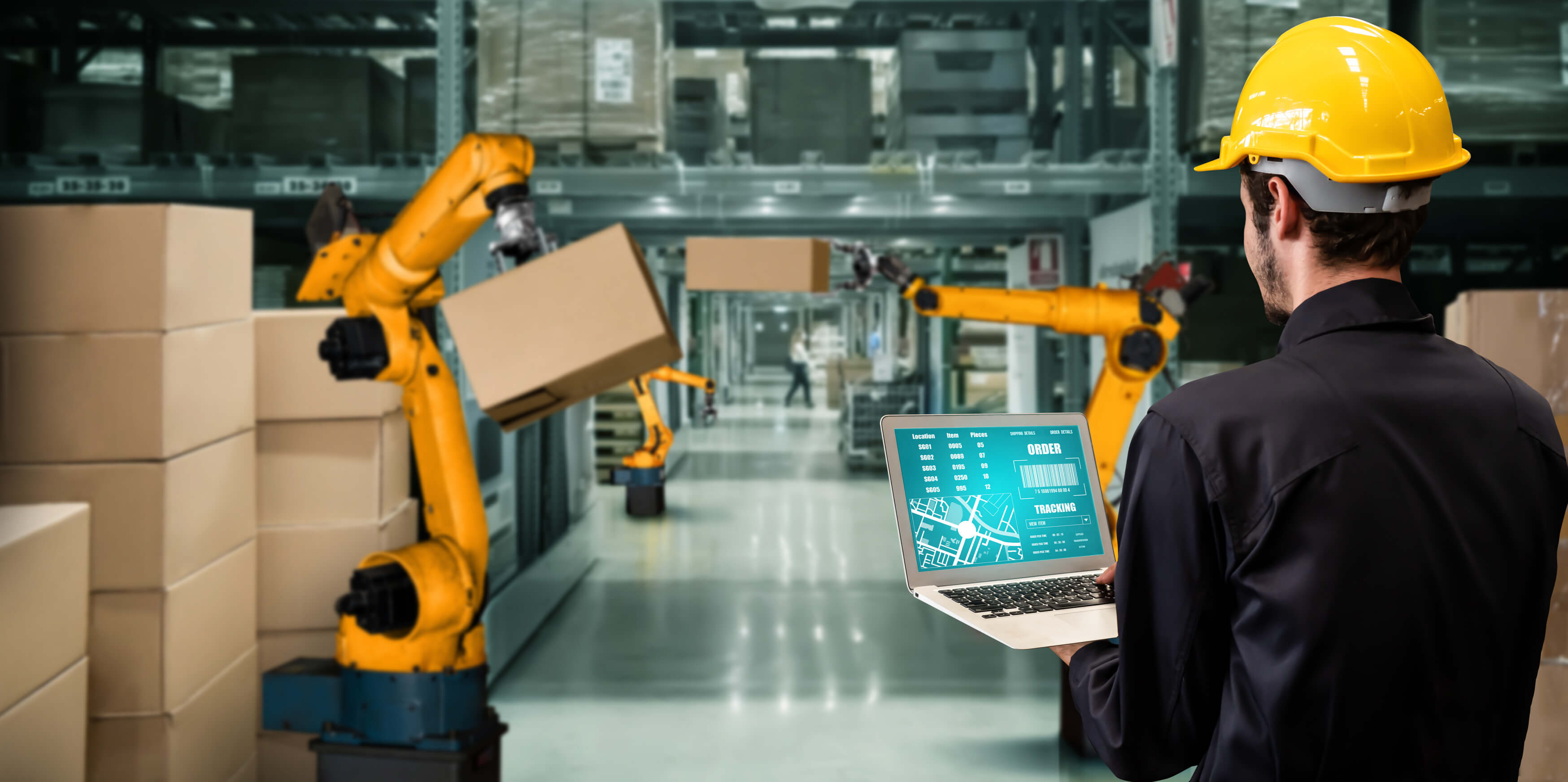
Was ist eine Supply Chain?
Eine Lieferkette (Supply Chain) ist das Netzwerk aus Organisationen, Personen, Prozessen und Technologien, die an der Herstellung und Lieferung eines Produkts von den Rohstoffen bis zum Endkunden beteiligt sind. Sie erstreckt sich in der Regel über mehrere Unternehmen – darunter Lieferanten, Hersteller, Logistikdienstleister, Distributoren und Einzelhändler –, die zusammenarbeiten, um Waren und Informationen auf globalen Märkten zu bewegen.
Für Einzelhändler und Marken deckt die Supply Chain den gesamten Weg eines Produkts ab:
Produktdesign und -entwicklung
Beschaffung von Rohstoffen und Komponenten (Sourcing)
Herstellung und Qualitätskontrolle
Logistik und Transport
Lagerung und Distribution
Einzelhandel, E-Commerce-Abwicklung (Fulfillment) und Retouren
Im modernen globalen Handel erstrecken sich Lieferketten oft über mehrere Länder. Ein in den USA verkauftes Kleidungsstück kann Baumwolle aus Indien, Webereien in Vietnam, Fabriken in Bangladesch und den Versand über Häfen wie Yantian oder Long Beach umfassen, bevor es die Geschäfte oder E-Commerce-Lager erreicht.
Da diese Netzwerke viele Akteure und komplexe Waren-, Informations- und Finanzströme umfassen, haben sich Supply Chains zu einem der kritischsten operativen Systeme im modernen Einzelhandel entwickelt.
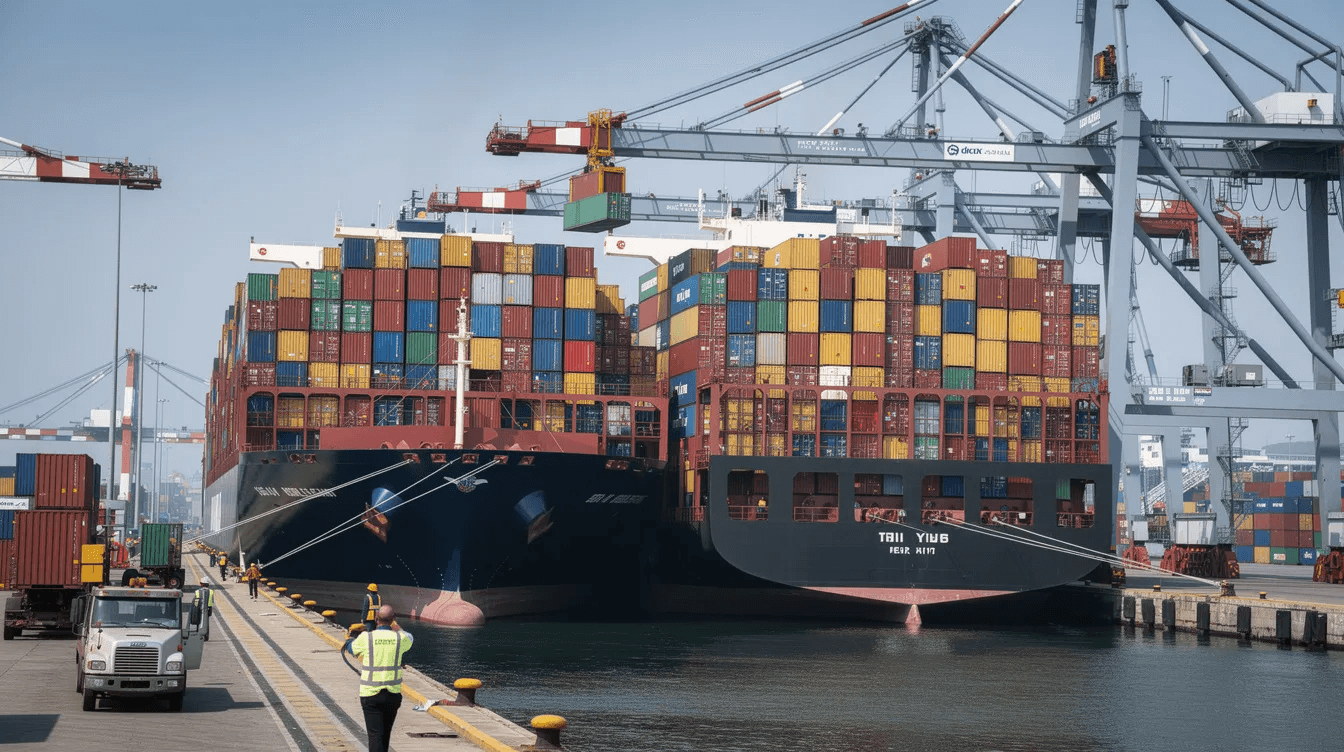
Kernkomponenten einer Supply Chain
Eine typische Lieferkette verbindet mehrere Einheiten, die jeweils eine Rolle bei der Wertschöpfung für den Kunden spielen.
Lieferanten (Suppliers)
Lieferanten stellen die Rohstoffe, Stoffe, Komponenten und Verpackungen bereit, die für die Herstellung von Fertigwaren erforderlich sind. Viele Einzelhändler verlassen sich auf mehrstufige Lieferantennetzwerke, die Folgendes umfassen:
Tier-1-Hersteller (Direktlieferanten)
Tier-2-Materiallieferanten
Tier-3-Upstream-Rohstoffproduzenten
Hersteller (Manufacturers)
Hersteller verarbeiten Rohstoffe zu fertigen Produkten. Je nach Branche kann dies komplexe Produktionsschritte wie Zuschneiden, Nähen, Montage, Verpackung oder Qualitätsprüfungen umfassen.
Logistikdienstleister
Transportunternehmen, Speditionen und Drittanbieter-Logistikdienstleister (3PL) bewegen Produkte zwischen Lieferanten, Fabriken, Lagern und Einzelhändlern.
Distributionszentren
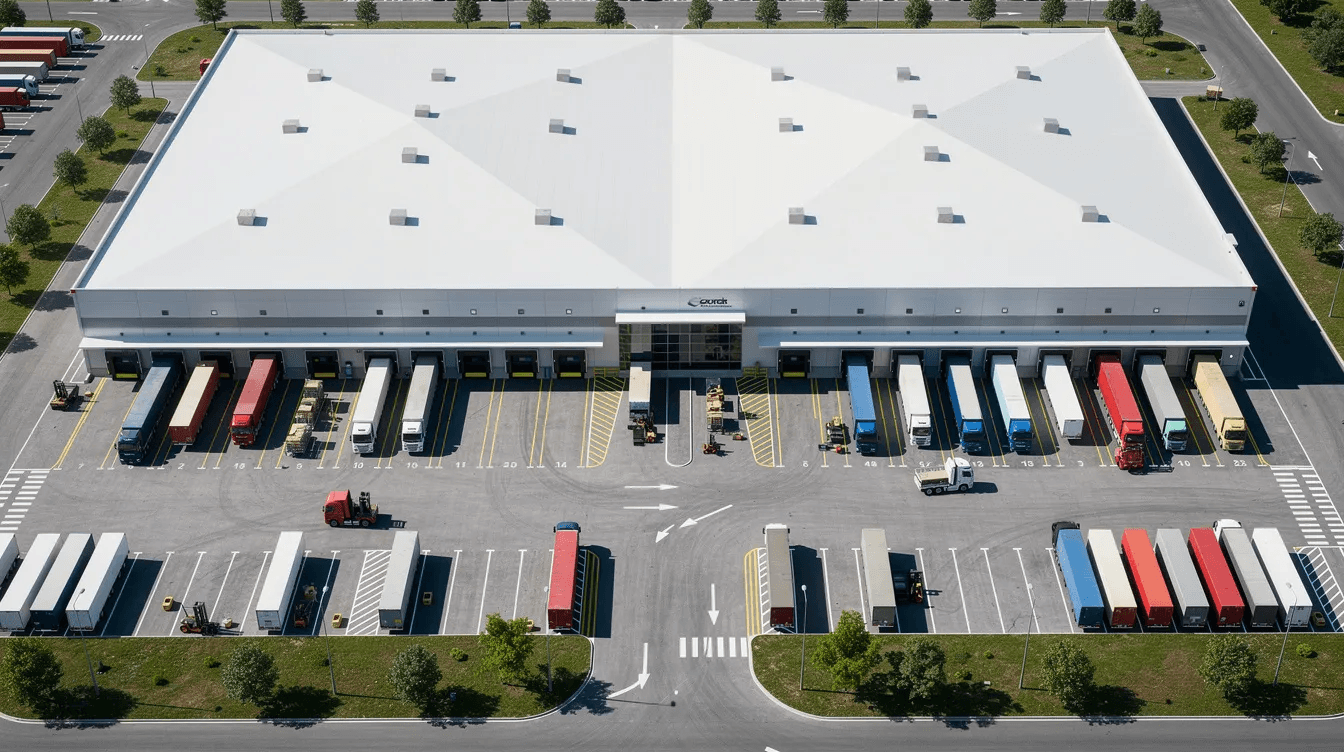
Distributionszentren (DCs) konsolidieren eingehende Waren und verteilen sie auf Filialen, Regionallager oder E-Commerce-Fulfillment-Knotenpunkte.
Einzelhändler und Kunden
Einzelhändler verkaufen Produkte letztendlich über physische Geschäfte, Online-Marktplätze oder Direct-to-Consumer-Kanäle (D2C) an den Endverbraucher.
Der End-to-End-Supply-Chain-Prozess
Obwohl Lieferketten je nach Branche variieren, folgen die meisten einem ähnlichen Lebenszyklus vom Produktkonzept bis zur Lieferung an den Kunden.
Produktdesign und -entwicklung
Der Prozess beginnt oft Monate bevor ein Produkt auf den Markt kommt. Designer und Produktteams entwickeln Konzepte, Spezifikationen und Materialanforderungen auf der Grundlage von Markttrends und Kundennachfrage.
In Branchen wie Mode und Konsumgütern können saisonale Produktentwicklungskalender 9 bis 12 Monate vor dem Verkaufsstart beginnen.
Global Sourcing (Globale Beschaffung)
Einzelhändler beziehen Rohstoffe oder Fertigwaren von Lieferanten auf der ganzen Welt. Sourcing-Entscheidungen beinhalten die Bewertung von:
Produktionskapazitäten
Preis- und Kostenstrukturen
Compliance- und Nachhaltigkeitsstandards
Geografischen Risiken
Diversifizierte Sourcing-Strategien gewinnen zunehmend an Bedeutung, da Unternehmen versuchen, die Abhängigkeit von einzelnen Ländern oder Lieferanten zu verringern.
Herstellung und Produktion
Fabriken produzieren Fertigwaren auf der Grundlage technischer Spezifikationen, Materialien und Bestellungen (Purchase Orders). Die Produktion kann mehrere Stufen über verschiedene Lieferanten hinweg umfassen, insbesondere in Branchen wie Bekleidung oder Elektronik.
Qualitätsprüfungen und Inspektionen stellen sicher, dass die Produkte den gesetzlichen Standards und den Anforderungen der Marke entsprechen.
Logistik und Transport
Sobald die Produkte hergestellt sind, bewegen sie sich durch internationale Transportnetzwerke, einschließlich:
Seefracht
Luftfracht
Schienen- und Straßentransport
Transportzeiten und Versandkosten können je nach Herkunftsland, Versandart und globalen Logistikbedingungen erheblich variieren.
Distribution und Fulfillment
Die Produkte werden an regionale Distributionszentren geliefert, wo sie gelagert, sortiert und an Filialen oder direkt an den Kunden versandt werden.
Omnichannel-Fulfillment-Modelle – einschließlich Ship-from-Store, Click-and-Collect und Micro-Fulfillment-Center – haben sich im modernen Einzelhandel etabliert.
Retouren und Retourenlogistik (Reverse Logistics)
Retouren sind eine wachsende Komponente in den Lieferketten des Einzelhandels, insbesondere im E-Commerce. Retounierte Waren können:
wieder eingelagert
aufbereitet (refurbished)
liquidiert
recycelt werden
Effiziente Reverse-Logistics-Prozesse helfen Einzelhändlern, Werte zurückzugewinnen und Abfall zu reduzieren.
Globale Lieferketten im Einzelhandel
Lieferketten im Einzelhandel sind heute hochgradig globalisiert. Produkte können mehrfach Grenzen überschreiten, bevor sie den Verbraucher erreichen.
Diese Globalisierung bietet Vorteile wie:
geringere Produktionskosten
spezialisiertes Fertigungs-Know-how
skalierbare Produktionskapazitäten
Sie bringt jedoch auch Risiken mit sich, darunter geopolitische Spannungen, Transportunterbrechungen, regulatorische Änderungen und ökologische Herausforderungen.
Die jüngsten Ereignisse – von Pandemie-bedingten Unterbrechungen bis hin zu Krisen auf den Schifffahrtsrouten – haben die Fragilität globaler Lieferketten und die Bedeutung von Transparenz und Koordination zwischen den Partnern entlang der Supply Chain verdeutlicht.
Häufige Herausforderungen in der Supply Chain
Einzelhändler und Marken stehen regelmäßig vor verschiedenen Herausforderungen in der Lieferkette:
Nachfragevolatilität
Die Verbrauchernachfrage kann sich aufgrund wirtschaftlicher Veränderungen, saisonaler Trends oder viraler Social-Media-Trends rasant verschieben.
Transportunterbrechungen
Hafenüberlastungen, Versandverzögerungen oder geopolitische Konflikte können die Transportzeiten verlängern und die Frachtkosten in die Höhe treiben.
Lieferantenrisiko
Finanzielle Instabilität, Arbeitsrechtsprobleme oder Compliance-Verstöße bei Lieferanten können die Produktion empfindlich stören.
Bestandsungleichgewicht
Mangelhafte Prognosen können zu Out-of-Stock-Situationen oder Überbeständen führen, was in beiden Fällen die Rentabilität belastet.
Regulatorischer Druck
Neue Vorschriften zur Nachhaltigkeit und Produktsicherheit erfordern eine tiefere Transparenz innerhalb der Lieferantennetzwerke.
Supply Chain vs. Supply Chain Management
Die Begriffe „Supply Chain“ (Lieferkette) und „Supply Chain Management“ (Lieferkettenmanagement) werden oft synonym verwendet, bezeichnen jedoch unterschiedliche Konzepte.
Eine Supply Chain bezieht sich auf das physische Netzwerk von Organisationen und Aktivitäten, die Produkte vom Lieferanten zum Kunden bewegen.
Supply Chain Management (SCM) bezeichnet die strategische Koordination und Optimierung dieser Aktivitäten – einschließlich der Planung von Sourcing, Fertigung, Logistik und Informationsflüssen über Unternehmen hinweg, um Produkte maximal effizient bereitzustellen.
Das Verständnis dieser Unterscheidung ist für Unternehmen von entscheidender Bedeutung, die ihre operative Effizienz steigern, Kosten senken und agil auf sich ändernde Marktanforderungen reagieren wollen.

TradeBeyond-Team
Experten für Lieferketten
Das TradeBeyond-Team vereint praktische Erfahrung in der Lieferkette mit strategischer Einsicht, um Unternehmen dabei zu unterstützen, Komplexität zu meistern, die operative Leistung zu verbessern, moderne Lösungen zu übernehmen und Best Practices in Planung, Ausführung und Leistungsüberwachung anzuwenden.

Inhaltsverzeichnis
Abonnieren Sie unseren Newsletter
Buchen Sie eine Demo
Weitere Fachartikel

Artikel
Quality Assurance Software: Connecting Requirements, Suppliers, and Evidence
Quality assurance software should do more than store records. Explore the workflows, integrations, and evidence trails that help product teams prevent failures and manage quality across suppliers.

Artikel
Quality Management Process: How Requirements Become Results
A quality management process connects requirements, responsibilities, supplier controls, verification, corrective action, and improvement. See how each stage turns quality expectations into repeatable operational results.

Artikel
Quality Inspection: What to Check, When to Inspect, and What Happens Next
Quality inspection is more than a final pass-or-fail check. Learn where inspections belong, how sampling and AQL shape results, what a reliable checklist includes, and how findings guide product and supplier decisions.
Kontaktieren Sie einen unserer Experten
" height="32px" id="vQcZRDBpx" width="32px"/></svg>)
Vereinigen Sie Menschen, Daten und Prozesse, um globale Abläufe zu vereinfachen
Ermöglichen Sie intelligentere und schnellere Entscheidungen, die Wachstum und Gewinn fördern
Entwickeln Sie belastbare, verantwortungsvolle Netzwerke für eine sich wandelnde Welt