Supply-Chain-Management: Strategien, Prozesse und Technologien
Erfahren Sie, wie das Supply Chain Management funktioniert—von der Planung und Beschaffung über die Fertigung, Logistik und Rückwärtslogistik—sowie die Strategien und Technologien, die das moderne SCM gestalten.
10Min. Lesezeit
BeitragVon:
TradeBeyond Team

Was ist Supply Challenge Management?
Supply Chain Management (SCM) bezeichnet die Koordination und Optimierung aller Aktivitäten im Rahmen der Beschaffung, Herstellung und Bereitstellung von Produkten für den Endkunden. Es integriert die Planung, den Einkauf, die Produktion, die Logistik sowie das Retourenmanagement über mehrere Unternehmen und Geschäftsbereiche hinweg.
Laut dem Council of Supply Chain Management Professionals (CSCMP) umfasst das Supply Chain Management sowohl die Planung und Steuerung der Beschaffungs-, Einkaufs-, Produktions- und Logistikprozesse als auch die partnerschaftliche Zusammenarbeit mit Lieferanten, Intermediären und Kunden.
Das Ziel des SCM besteht darin, sicherzustellen, dass die richtigen Produkte zur richtigen Zeit, in der richtigen Qualität und zu optimalen Kosten den Kunden erreichen – bei gleichzeitiger Gewährleistung von Effizienz, Agilität und Resilienz.
Kernprozesse des Supply Chain Managements
Die meisten Frameworks im Bereich der Supply Chain gliedern die operativen Abläufe in mehrere Kernprozesse. Das weit verbreitete SCOR-Modell umfasst dabei:
Planen (Plan)
Beschaffen (Source)
Herstellen (Make)
Liefern (Deliver)
Zurückführen (Return)
Diese Prozesse laufen in der Praxis nicht sequenziell, sondern hochgradig synchronisiert und parallel ab.

Planung und Bedarfsmanagement (Demand Management)
Bedarfsprognosen sowie die Absatz- und Produktionsplanung (S&OP) definieren die Produktionsvolumina, die Beschaffungsanforderungen und die optimalen Lagerbestände.
Die moderne Planung stützt sich auf eine Vielzahl strategischer Datenquellen, darunter:
historische Absatzzahlen
aktuelle Markttrends
Aktions- und Promotionskalender
makroökonomische Indikatoren
KI-gestützte Tools zur Bedarfserkennung (Demand Sensing)
Eine präzise Bedarfsplanung unterstützt Unternehmen maßgeblich dabei, Out-of-Stock-Situationen zu minimieren und gleichzeitig Überbestände konsequent zu vermeiden.
Sourcing und Beschaffung
Einkaufsteams identifizieren und qualifizieren Lieferanten, verhandeln Konditionen und steuern das strategische Lieferantenbeziehungsmanagement.
Wesentliche Sourcing-Entscheidungen basieren auf der Evaluierung folgender Faktoren:
Lieferantenkapazitäten
Kostenstrukturen
Compliance- und Qualitätsstandards
geopolitische Risiken
Digitale Sourcing-Plattformen lösen zunehmend tabellenbasierte RFQ-Prozesse ab. Sie ermöglichen eine effizientere Kollaboration mit Lieferanten sowie eine schnellere, datengestützte Entscheidungsfindung.
Produktion und Fertigung
In der Produktion werden Rohstoffe und Komponenten in verkaufsfähige Fertigerzeugnisse überführt.
Supply-Chain-Verantwortliche müssen Produktionspläne, Vorlaufzeiten der Lieferanten und Qualitätsstandards präzise koordinieren, um eine termingerechte Bereitstellung sicherzustellen.
Product-Lifecycle-Management-Systeme (PLM) dienen in diesem Prozess als zentrales Repository für Spezifikationen, Stücklisten (BOMs) und Produktfreigaben.
Logistik und Distribution
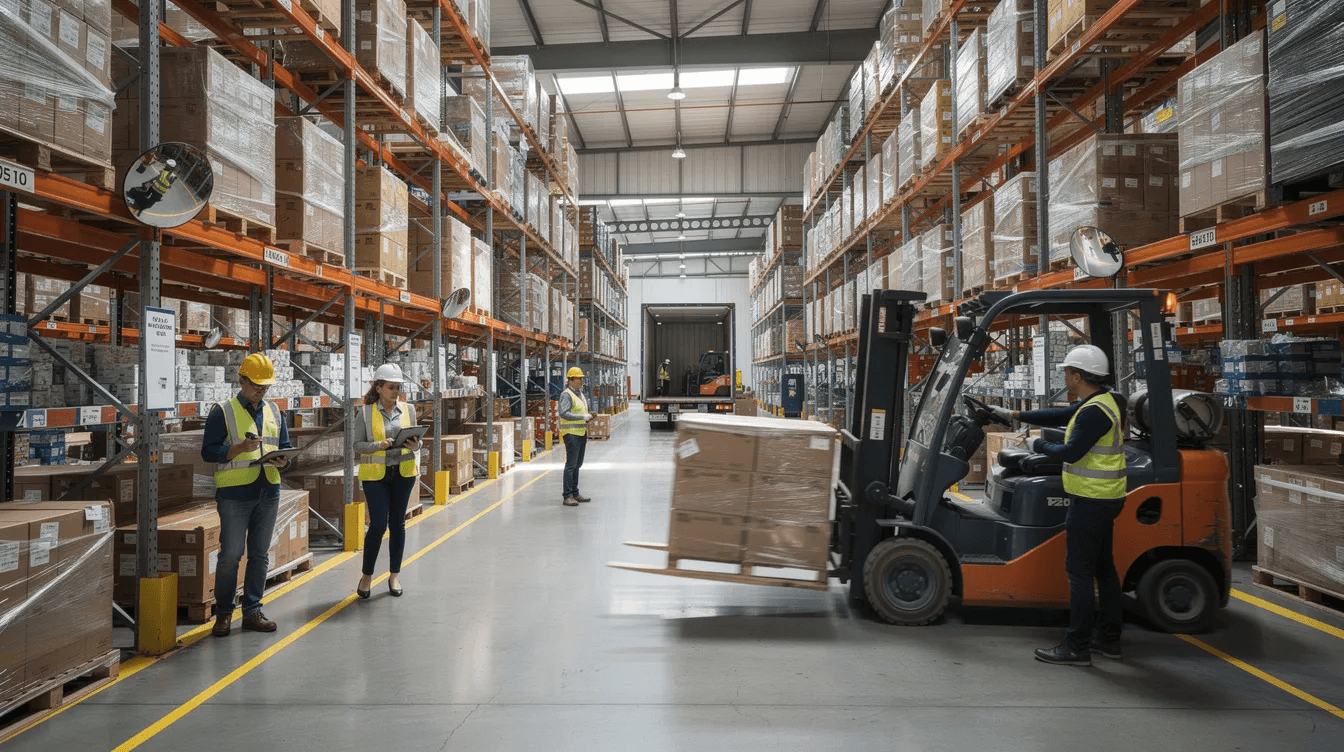
Das Logistikmanagement steuert den effizienten Transport und die Lagerung von Waren entlang der gesamten Wertschöpfungskette.
Zu den strategischen Logistikentscheidungen gehören:
die Auswahl der optimalen Transportverkehrsträger
die strategische Standortplanung von Distributionszentren
die effiziente Steuerung von Lagerprozessen
die Optimierung der Zustellung auf der „letzten Meile“
Eine leistungsstarke Logistik stellt sicher, dass Waren globale Liefernetzwerke effizient durchlaufen und vereinbarte Service-Levels zuverlässig eingehalten werden.
Retourenlogistik (Reverse Logistics)
Das Retourenmanagement ist ein geschäftskritischer, jedoch oft unterschätzter Bestandteil des Supply Chain Managements.
Unternehmen müssen Rücksendungen über standardisierte Prozesse effizient abwickeln:
Prüfung und Wiedereinlagerung
Aufbereitung oder Wiederverkauf
Recycling oder fachgerechte Entsorgung
Optimierte Prozesse in der Retourenlogistik senken nicht nur die Prozesskosten, sondern zahlen auch direkt auf die Nachhaltigkeitsziele des Unternehmens ein.
Strategien im Supply Chain Management
Je nach Produktcharakteristik und Marktdynamik setzen Unternehmen auf unterschiedliche SCM-Strategien.
Lean Supply Chains
Schlanke Lieferketten (Lean Supply Chains) fokussieren sich primär auf Kosteneffizienz und Verschwendungsreduzierung. Sie eignen sich besonders für stabile und hochgradig prognostizierbare Nachfragemuster.
Agile Supply Chains
Agile Lieferketten legen den Fokus auf Reaktionsgeschwindigkeit und Flexibilität, um schnell und dynamisch auf volatile Kundenbedarfe reagieren zu können.
Resiliente Supply Chains
Resiliente Lieferketten setzen auf Risikominimierung durch Diversifikation, präventive Notfallplanung (Contingency Planning) und lückenlose End-to-End-Transparenz.
Nachhaltige Supply Chains (Sustainable Supply Chains)
Nachhaltigkeitsinitiativen prägen zunehmend moderne Lieferkettenstrategien – getrieben durch die Einhaltung von ESG-Kriterien, strengere Rückverfolgbarkeitsanforderungen und zirkuläre Kreislaufwirtschaftsmodelle.
Technologien im Supply Chain Management
Technologie ist der entscheidende Enabler für die Steuerung und Koordination komplexer, globaler Liefernetzwerke.
Zu den wichtigsten Technologiekategorien gehören:
ERP-Systeme zur integrierten Ressourcenplanung im Unternehmen
PLM-Plattformen für die Produktentwicklung und das Spezifikationsmanagement
TMS-Systeme zur Transportsteuerung und -optimierung
WMS-Plattformen für eine effiziente Lagerverwaltung
Supply Chain Visibility-Tools zur Echtzeit-Verfolgung von Warenströmen und Beständen
Moderne, cloudbasierte Supply-Chain-Management-Plattformen vernetzen Händler, Lieferanten, Logistikdienstleister und Compliance-Partner in einem gemeinsamen, digitalen Ökosystem.
Die Zukunft des Supply Chain Managements
Mehrere Megatrends prägen die Next Generation des Supply Chain Managements im Handel:
Digitale Lieferketten
Cloud-Plattformen und standardisierte APIs vernetzen globale Lieferantenbeziehungen in Echtzeit über Unternehmensgrenzen hinweg.
Advanced Analytics und KI
Machine Learning führt zu einer signifikant höheren Prognosegenauigkeit, antizipiert potenzielle Lieferunterbrechungen und optimiert Dispositionsprozesse automatisiert.
Transparenz und Rückverfolgbarkeit
Strengere gesetzliche Vorgaben sowie veränderte Erwartungshaltungen auf Konsumentenseite zwingen Unternehmen dazu, Lieferketten lückenlos bis zum Ursprung offenzulegen.
Regionalisierung von Lieferketten (Nearshoring)
Unternehmen balancieren ihr globales Sourcing strategisch mit Nearshoring-Konzepten aus, um geopolitische Risiken zu reduzieren und Durchlaufzeiten zu verkürzen.
Unternehmen, die Daten, fortschrittliche Technologien und die kollaborative Zusammenarbeit über Wertschöpfungsstufen hinweg erfolgreich integrieren, sichern sich einen entscheidenden Wettbewerbsvorteil in einem zunehmend komplexen globalen Handelsumfeld.

TradeBeyond-Team
Experten für Lieferketten
Das TradeBeyond-Team vereint praktische Erfahrung in der Lieferkette mit strategischer Einsicht, um Unternehmen dabei zu unterstützen, Komplexität zu meistern, die operative Leistung zu verbessern, moderne Lösungen zu übernehmen und Best Practices in Planung, Ausführung und Leistungsüberwachung anzuwenden.

Inhaltsverzeichnis
Abonnieren Sie unseren Newsletter
Buchen Sie eine Demo
Weitere Fachartikel

Artikel
What Is Quality Assurance? Process, Methods, and Examples
Quality assurance goes beyond defect detection. See how requirements, supplier controls, inspections, corrective action, and connected evidence help brands prevent recurring quality failures across global production networks.

Artikel
Quality Management Software: What to Look For and 10 Platforms to Know
Understand how QMS, EQMS, manufacturing, and inspection platforms differ, then compare ten representative solutions using practical selection criteria.

Artikel
What Is a Quality Management System (QMS)? Requirements, Examples, and Implementation
See how a QMS connects quality objectives, process controls, audits, corrective actions, and supplier performance—and how to implement one across a complex supply chain.
Kontaktieren Sie einen unserer Experten
" height="32px" id="vQcZRDBpx" width="32px"/></svg>)
Vereinigen Sie Menschen, Daten und Prozesse, um globale Abläufe zu vereinfachen
Ermöglichen Sie intelligentere und schnellere Entscheidungen, die Wachstum und Gewinn fördern
Entwickeln Sie belastbare, verantwortungsvolle Netzwerke für eine sich wandelnde Welt