
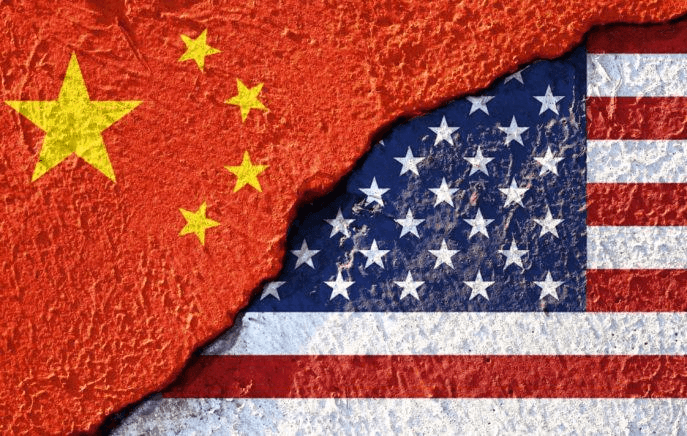
In our last post we looked at how the US-China trade war is impacting the US; in this post we will dive into how the trade war is impacting China. All indicators show that China is feeling the pain – at least for now. The Chinese strategy of wanting to draw out the negotiations has resulted in increasing pressure from the Trump administration to strike a deal, including an additional 10% tariff on US$300 billion of Chinese imports that aren’t currently taxed.
While the US delayed some tariffs until December 15th, due to fears of an impact to the coming Christmas season in the US and pushback from major U.S. retailers and supply chain management software organizations, China is still facing heavy pressure.
The grim numbers
According to statistics released recently by China’s Bureau of Statistics, Industrial Production – a key measure of the Chinese economy – increased by 4.8% year-on year in July, the lowest figure in 17 years. Maybe less alarming, but another key measure is retail sales, which were down to 7.6% year-on-year in July compared to an expected 8.6% increase.
In other numbers, Chinese exports fell by 1.3 per cent year-on-year after tariffs on US$200 billion of Chinese goods were raised from 10 per cent to 25 per cent by in May. In the first half of this year, China’s exports to the US fell by 8.1 per cent to US$199.4 billion, while imports dropped by 29.9 per cent to US$58.9 billion.
China’s overall trade surplus was US$50.98 billion in June, up from US$41.65 billion. This was ahead of one poll by Bloomberg, which predicted a balance of US$45 billion.The Purchasing Managers’ Index (PMI) for China’s manufacturing sector stayed below 50 in June, which signals a contraction.
Quarterly data from logistics company DHL’s Global Trade Barometer (GTB), which tracks early-cycle commodities shipments by sea and air, showed that Chinese trade could contract slightly from June to August because of shrinking sea freight volumes.
Shifting markets
The trade war has impacted well beyond China and the US as certain countries such as Vietnam, Bangladesh, Cambodia have picked up orders being diverted from China. While it is difficult to move supply chains, especially when most of the upstream supply chain is in China, the apparel and textile sector has been shifting out of China for years. This shift has been yielding huge benefits to apparel retailers, retail sourcing, plm software and retail apparel private label retail teams. With less complexity and labor as a key factor in production, apparel will continue to grow outside of China even without trade tariffs.
What is more concerning for China is other foreign manufacturers that were on the fence and have decided to shift production elsewhere. Zebra Technologies is a good example. “All the high-volume products we were making in China have been moved to other Southeast Asian countries,” Anders Gustafsson, Zebra’s CEO, commented in a recent media report. “It’s a benefit of having an outsourced supply chain.”
The long game
On the flip side of the story, the US trade war has pushed China to grow alternative markets and trading partners. Bilateral trade between Russia and China grew by 27% year-on-year from 2017 to 2018 to $107 billion, So far Russia is exporting ($59 billion) more than it is importing ($48 billion), but Moscow reportedly has targeted $200 billion in trade with China by 2024. Aside from Russia, China’s “Belt and Road” initiative is strategically designed to expand markets and trade routes for China’s goods across the globe.
Some analysts believe that, at least until the next US election cycle, China will continue to play the waiting game since it has a higher pain tolerance and more capacity to intervene in their domestic economy. If that’s the case, we can only expect the trade war to keep escalating.
Given the global impact of the trade war and specifically on our customers we will continue to monitor this story closely. Our next post on this topic will look at the the impact on other sourcing countries, especially Vietnam, Bangladesh, Cambodia and Central/South America.
All these issues and more are covered in the most recent CBX Q3 2019 Sourcing Report. The Global Retail Sourcing Report aims to keep you ahead of the curve by providing facts, insight and analysis on issues impacting global retail sourcing.
This free report for is ideal for individuals at retailers, brands and companies involved in global retail sourcing, supplier management, quality compliance and supply chain management.
To learn more about how to address some of these issues visit CBX or feel free to contact us directly.
Table of Contents
Subscribe to the Newsletter
More Articles

Article
Defect Classification: How to Build a Critical, Major, and Minor Defect System
How to build a defect classification system - critical, major, and minor defect definitions, AQL thresholds, category examples, and enforcement at scale.

Article
Digital Product Passports: Is Your Product Data Ready?
Learn why DPP readiness is a data project, not a QR code project, with insights from TradeBeyond and EON on compliance, traceability and circularity.

Article
The Life of a Jacket: How Digital Product Passports Will Change What Happens After You Buy
Learn how Digital Product Passports connect product and supply-chain data to support traceability, circularity, resale, repair and recycling.
" height="32px" id="vQcZRDBpx" width="32px"/></svg>)