
Oakley x TradeBeyond: The Stuff Legends Are Made Of
From garage startup to global icon see how Oakley brought the same relentless standards to their entire supply chain.
North America


62%
Reduction in overall defect rates
50%
Reduction in defective products
Challenges
High defect rates were eroding brand credibility and causing product shortage
No unified view of their global supply chain operations
Manual quality data exchange prevented quick quality course corrections
Results
Moving to a digital model enabled real-time supply chain oversight
Defect rates drop by over 62% within one year
Third-party integrations turned quality data into a competitive advantage
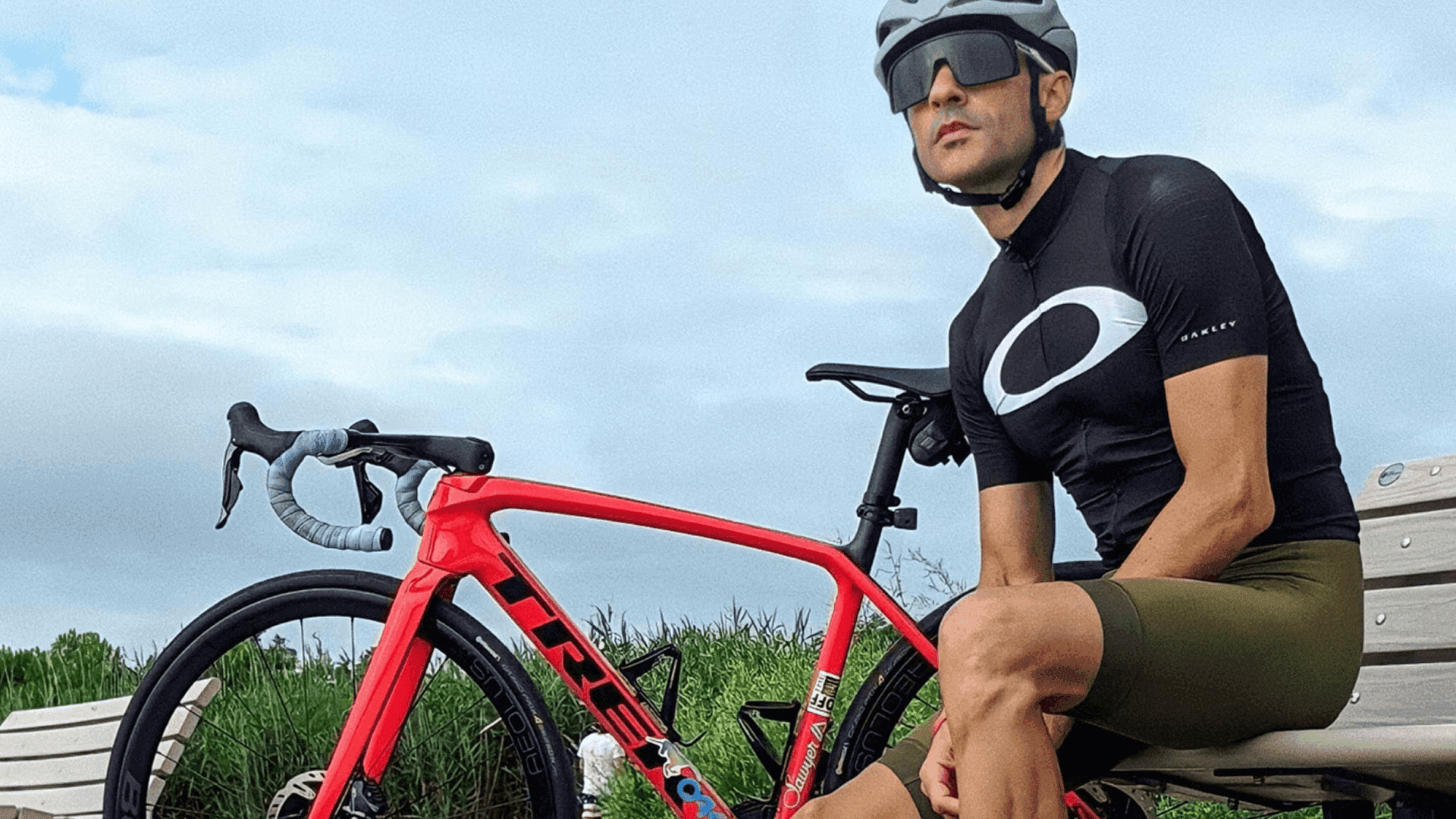
"All quality, inspections and audits were managed on paper and reported on weekly spreadsheets…We couldn’t react quickly or course correct immediately. So digitizing the manual process was step one. We chose Pivot88’s (TradeBeyond) Resilience solution because it allowed us to structure and standardize our supply chain while allowing us to track what was happening globally."
Xavier Laforge
Global Quality Manager, Oakley
The High-Stakes Cost of Manual Quality Control
For most in the Apparel sector, an Acceptance Quality Limit (AQL) of 2.5 is standard. But at Oakley, the expectation was to maintain an AQL of 1.0 with all factory partners. Managing quality manually to this high standard across Asia, Europe, Central and South America was arduous. Defect rates were high, leading to shortages for retail clients, causing the brand to lose credibility.
Built with athlete input and rigorous field testing, Oakley’s technical products cannot fail – especially in extreme sports. Xavier Laforge, Oakley’s Global Quality Manager, built the team and established quality procedures. They needed real-time supplier info exchange and a configurable turnkey platform that would not disrupt business.
From Weekly Spreadsheets to Real-Time Global Control
Oakley’s journey with TradeBeyond began in February 2020, just before the Covid pandemic. Implementation had to be global, multi-lingual and easy. At the time, Oakley’s quality assurance team relied on excel files to manage quality and were sent and received on a weekly basis. Implementation was regional and led by quality leaders in production countries.
After one year of use, defective products arriving at distribution centers were reduced by 50%, and overall defect rates dropped 62%. Suppliers began to perform self-audits and every factory must now be audited before qualifying as an Oakley production partner.
With the integration of raw material testing, finished goods testing, and athlete wearer trials captured inside the TradeBeyond platform -Oakley strengthened their commitment to long term quality excellence.
About Oakley
BMX took off in the 1970s Southern California, but no one was making gear for these extreme cyclists. In 1975, with $300, Jim Jannard began selling “Oakely Grip” cycle grips from his garage and car, later expanding into gloves, guards, goggles, and sunglasses for BMX and motocross. Oakley’s profile surged when Tour de France champion Greg LeMond chose their eyewear.
In 2007, Luxottica acquired Oakley for $2.1 billion. Today, Oakley is a global leader in performance equipment, eyewear, apparel, and accessories. Designed in Milan and produced across 40 countries with over 200 material and design patents, Oakley is also built with athlete input and rigorous field testing.
Table of Contents
Book A Demo or Download Case Study
More Customer Stories

Case Study

How a Leading European Sourcing Provider Scaled Inspections and Drove Efficiency
By replacing manual inspections with digital workflows, BSL achieved 50% time savings, faster fulfillment, and improved quality visibility.

Case Study

How a Global Brand and Supply Chain Firm Optimized Inspection Efficiency
CFL HK modernized its inspection workflow by replacing VPN-dependent Excel reporting with TradeBeyond’s mobile inspection platform, enabling real-time visibility, faster issue resolution, and improved cross-team collaboration.
Case Study

A Partnership that Started with Footwear
INTERSPORT transformed quality control into quality improvement with digital inspections, real-time analytics, and standardized supplier self-audits worldwide.
" height="32px" id="vQcZRDBpx" width="32px"/></svg>)