Supply Chain: How Modern Retailers Design, Source, and Deliver Products
A supply chain is the global network of suppliers, manufacturers, logistics providers, and retailers that move products from raw materials to customers.
10 min read
Post By:
TradeBeyond Team
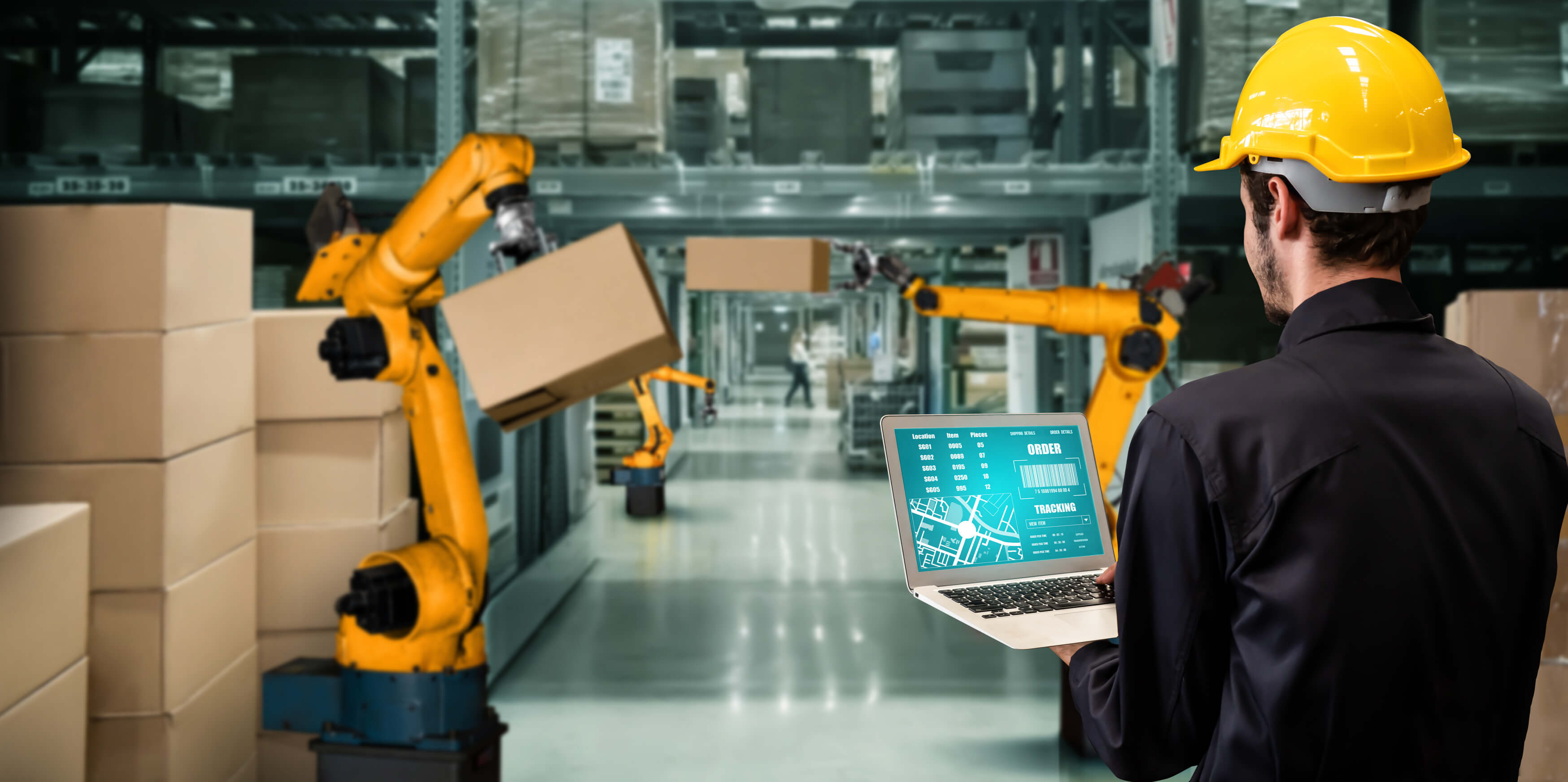
What is a Supply Chain?
A supply chain is the network of organizations, people, processes, and technologies involved in producing and delivering a product from raw materials to the final customer. It typically spans multiple companies—including suppliers, manufacturers, logistics providers, distributors, and retailers—working together to move goods and information across global markets.
For retailers and brands, the supply chain covers the full journey of a product:
product design and development
sourcing raw materials and components
manufacturing and quality control
logistics and transportation
warehousing and distribution
retail, e-commerce fulfillment, and returns
In modern global commerce, supply chains often cross several countries. A garment sold in the United States might involve cotton from India, fabric mills in Vietnam, factories in Bangladesh, and shipping through ports like Yantian or Long Beach before reaching stores or e-commerce warehouses.
Because these networks involve many participants and complex flows of goods, information, and finances, supply chains have become one of the most critical operational systems in modern retail.
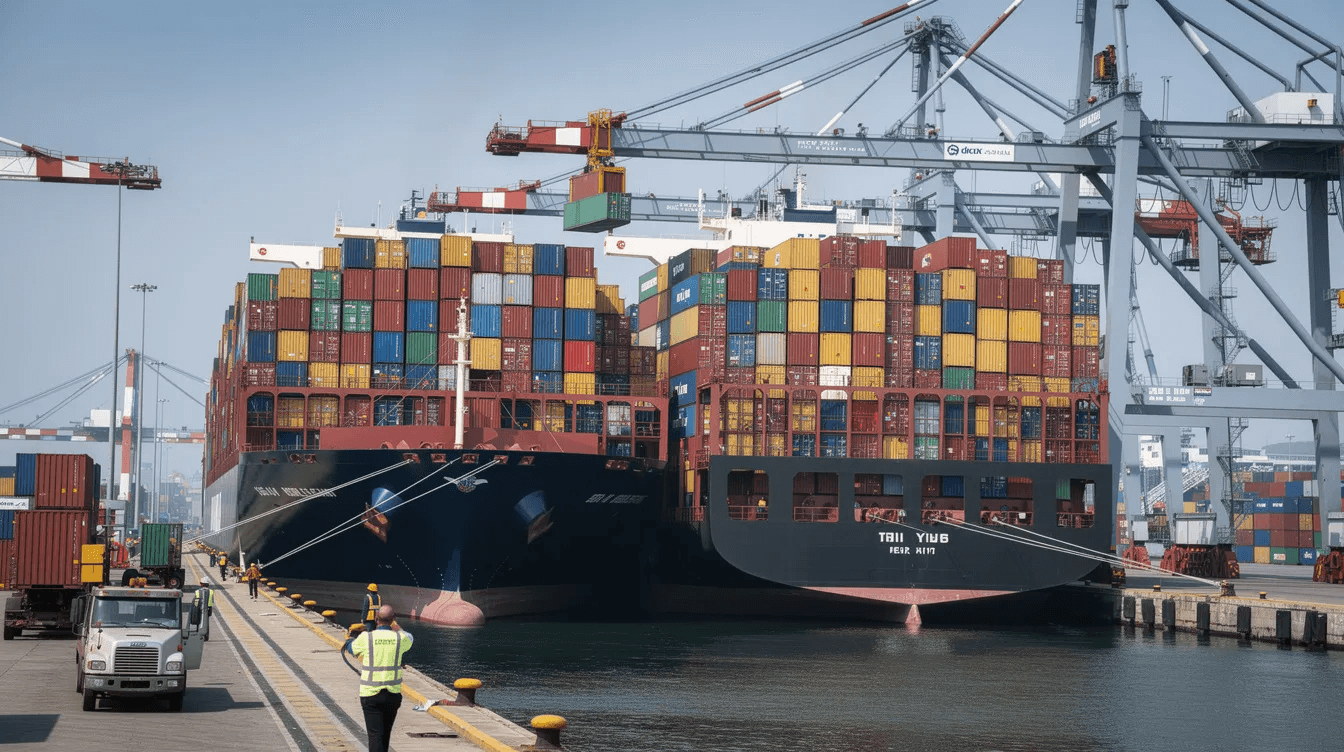
Key Components of a Supply Chain
A typical supply chain connects multiple entities that each play a role in delivering value to the customer.
Suppliers
Suppliers provide the raw materials, fabrics, components, and packaging required to produce finished goods. Many retailers rely on multi-tier supplier networks that include:
Tier 1 manufacturers
Tier 2 material suppliers
Tier 3 upstream raw material producers
Manufacturers
Manufacturers transform raw materials into finished products. Depending on the industry, this can involve complex production stages such as cutting, sewing, assembly, packaging, or quality testing.
Logistics Providers
Transportation companies, freight forwarders, and third-party logistics providers (3PLs) move products between suppliers, factories, warehouses, and retailers.
Distribution Centers
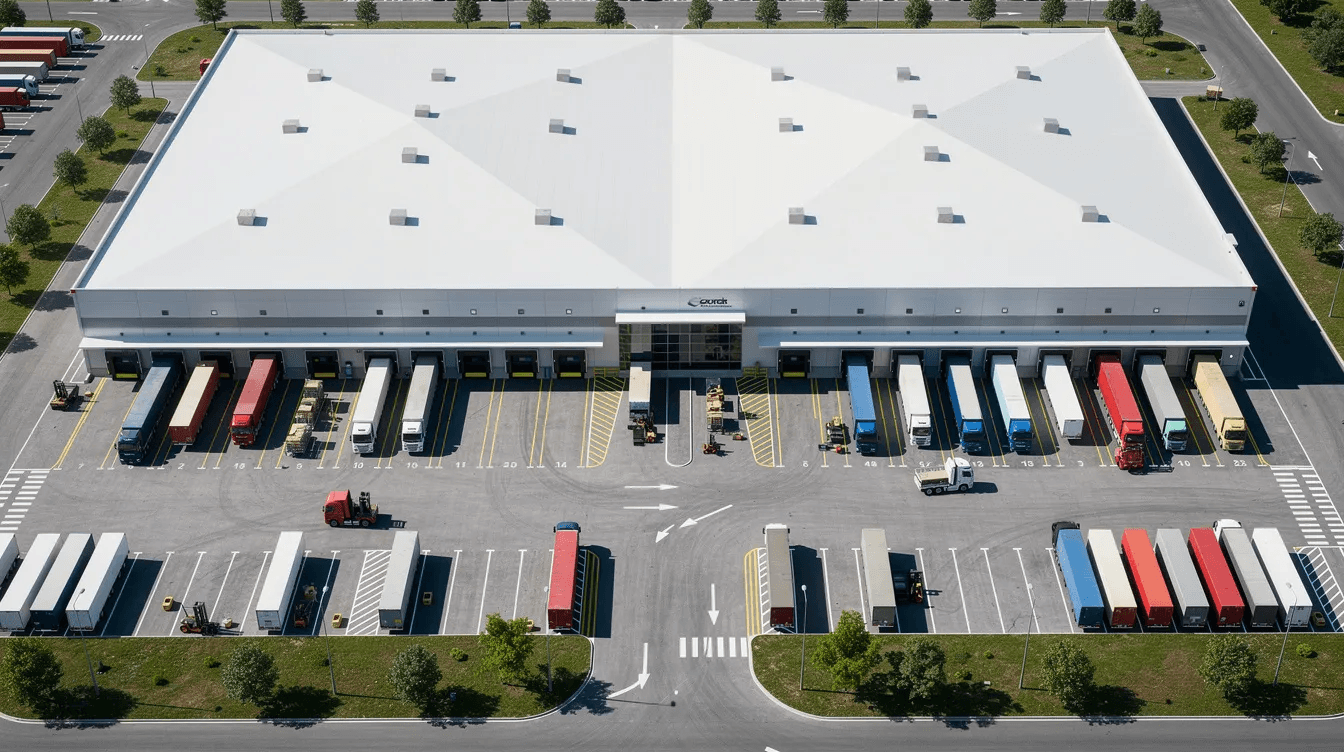
Distribution centers (DCs) consolidate inbound goods and allocate them to stores, regional warehouses, or e-commerce fulfillment nodes.
Retailers and Customers
Retailers ultimately sell products to end consumers through physical stores, online marketplaces, or direct-to-consumer channels.
The End-to-End Supply Chain Process
While supply chains vary by industry, most follow a similar lifecycle from product concept to customer delivery.
Product Design and Development
The process often begins months before a product reaches the market. Designers and product teams develop concepts, specifications, and material requirements based on market trends and customer demand.
In industries like fashion and consumer goods, seasonal product development calendars may begin 9–12 months before launch.
Global Sourcing
Retailers source raw materials or finished goods from suppliers around the world. Sourcing decisions involve evaluating:
production capabilities
pricing and cost structures
compliance and sustainability standards
geographic risk exposure
Diversified sourcing strategies have become increasingly common as companies seek to reduce dependence on single countries or suppliers.
Manufacturing and Production
Factories produce finished goods based on technical specifications, materials, and purchase orders. Production may involve multiple stages across different suppliers, particularly in industries like apparel or electronics.
Quality testing and inspections ensure products meet regulatory standards and brand requirements.
Logistics and Transportation
Once products are manufactured, they move through international transportation networks including:
ocean freight
air freight
rail and trucking
Transit times and shipping costs can vary significantly depending on origin country, shipping mode, and global logistics conditions.
Distribution and Fulfillment
Products are delivered to regional distribution centers where they are stored, sorted, and shipped to stores or directly to customers.
Omnichannel fulfillment models—including ship-from-store, click-and-collect, and micro-fulfillment centers—have become common in modern retail.
Returns and Reverse Logistics
Returns are a growing component of retail supply chains, particularly in e-commerce. Returned goods may be:
restocked
refurbished
liquidated
recycled
Effective reverse logistics processes help retailers recover value and reduce waste.
Global Supply Chains in Retail
Retail supply chains today are highly globalized. Products may cross borders several times before reaching consumers.
This globalization provides advantages such as:
lower production costs
specialized manufacturing expertise
scalable production capacity
However, it also introduces risks including geopolitical tensions, transportation disruptions, regulatory changes, and environmental challenges.
Recent events—from pandemic disruptions to shipping route crises—have highlighted the fragility of global supply chains and the importance of visibility and coordination across supply chain partners.
Common Supply Chain Challenges
Retailers and brands frequently face several supply chain challenges:
Demand volatility
Consumer demand can shift rapidly due to economic changes, seasonal trends, or viral social media trends.
Transportation disruptions
Port congestion, shipping delays, or geopolitical conflicts can extend transit times and increase freight costs.
Supplier risk
Financial instability, labor issues, or compliance violations among suppliers can disrupt production.
Inventory imbalance
Poor forecasting may lead to stockouts or excess inventory, both of which damage profitability.
Regulatory pressure
New regulations around sustainability and product safety require deeper visibility into supplier networks.
Supply Chain vs Supply Chain Management
The terms “supply chain” and “supply chain management” are often used interchangeably, but they represent different concepts.
A supply chain refers to the network of organizations and activities that move products from suppliers to customers.
Supply chain management (SCM) refers to the coordination and optimization of those activities—planning sourcing, manufacturing, logistics, and information flows across companies to deliver products efficiently.
Understanding this distinction is important for businesses seeking to improve operational efficiency, reduce costs, and respond to changing market demand.

TradeBeyond Team
Supply Chain Experts
TradeBeyond Team combines practical supply chain experience and strategic insight to help businesses navigate complexity, improve operational performance, adopt modern solutions, and apply best practices across planning, execution, and performance monitoring.

Table of Contents
Get Supply Chain Insights That Matter
Practical strategies, trends, and best practices for modern supply chains
More Articles

Article
Quality Assurance Software: Connecting Requirements, Suppliers, and Evidence
Quality assurance software should do more than store records. Explore the workflows, integrations, and evidence trails that help product teams prevent failures and manage quality across suppliers.

Article
Quality Management Process: How Requirements Become Results
A quality management process connects requirements, responsibilities, supplier controls, verification, corrective action, and improvement. See how each stage turns quality expectations into repeatable operational results.

Article
Quality Inspection: What to Check, When to Inspect, and What Happens Next
Quality inspection is more than a final pass-or-fail check. Learn where inspections belong, how sampling and AQL shape results, what a reliable checklist includes, and how findings guide product and supplier decisions.
Get in contact with one of our experts
" height="32px" id="vQcZRDBpx" width="32px"/></svg>)
Unify people, data, and processes to simplify global operations
Empower smarter, faster decisions that drive growth and profit
Build resilient, responsible networks for a changing world