Supplier Risk Management: From Risk Signals to Better Decisions
Learn how supplier risk management helps teams identify, assess, and reduce supplier risk before it turns into disruption.
11 min read
Post By:
TradeBeyond Team
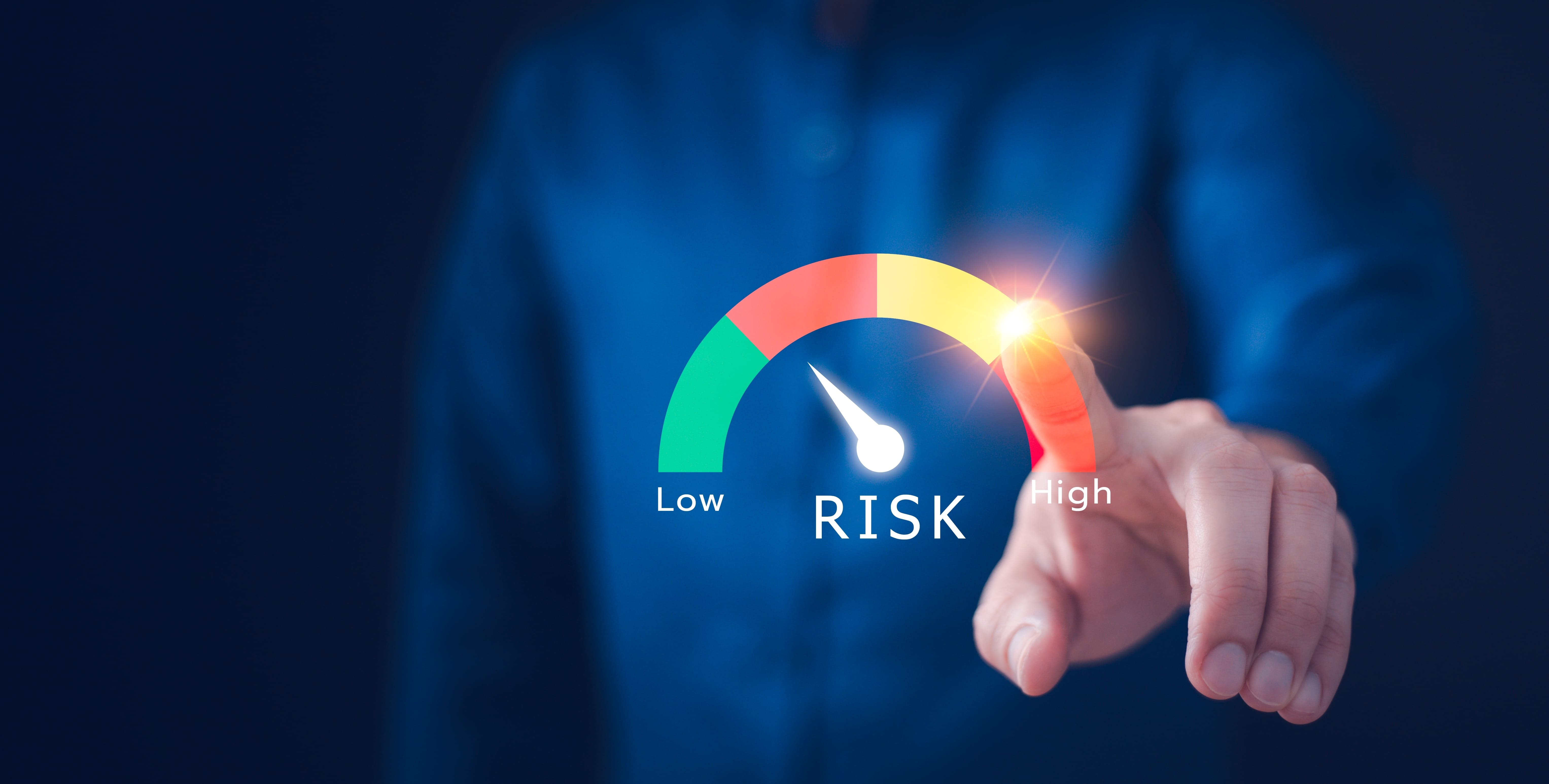
Supplier risk often becomes obvious too late.
A key supplier misses delivery. A quality issue spreads across orders. A compliance problem blocks a shipment. A supplier’s financial stress affects capacity before anyone inside the business sees the warning signs.
Supplier risk management is about catching those issues earlier, understanding which ones matter most, and deciding what to do before risk turns into disruption. The goal is not to eliminate every possible supplier risk. No supplier network works that way. The goal is to make risk visible early enough, specific enough, and connected enough to supplier decisions that teams can act with more confidence.
This matters more as supply chains face repeated disruption and deeper visibility gaps. McKinsey’s 2024 supply chain risk survey found that only a quarter of surveyed supply chain executives had formal board-level processes for discussing supply chain issues. OECD also describes due diligence as a risk-based process for assessing and addressing real and potential impacts across operations, supply chains, and business relationships.
What supplier risk management actually means
Supplier risk management is the process of identifying, assessing, reducing, and monitoring risks that come from working with suppliers. Those risks may affect delivery, quality, cost, compliance, cybersecurity, financial stability, product availability, or continuity of supply.
Some risks are visible inside the relationship: late shipments, failed inspections, poor responsiveness, or missing documentation. Other risks develop outside normal workflows. A supplier may face financial pressure, regional disruption, cyber incidents, material shortages, labor issues, or sub-tier problems that do not show up immediately in a purchase order or scorecard.
Strong supplier risk management helps teams avoid treating all risks the same. A late shipment from a low-criticality supplier does not carry the same impact as a disruption from a sole-source supplier tied to a key product line. The work is not just to identify risks. It is to understand which suppliers require attention and which decisions should change as a result.
Why supplier risk is harder to manage now
Supplier risk has become harder to manage because supplier networks are more extended, more global, and more exposed to external change.
A business may have decent visibility into direct suppliers while still having limited understanding of sub-tier suppliers, production sites, raw material sources, or regional dependencies. Risk also rarely stays in one category. A logistics disruption can become a delivery issue. A compliance gap can become an import delay. A quality failure can become a customer issue. A financial problem can become a capacity problem.
Supplier risk is no longer only about late delivery or poor quality. It can include labor practices, environmental exposure, sanctions, cybersecurity, supplier concentration, business continuity, and regulatory due diligence. For many teams, the challenge is no longer just whether a supplier can deliver today. It is whether the business can see the broader risks that may affect supplier reliability, compliance, and continuity over time.

Common types of supplier risk to track
Supplier risk can show up in different ways. The most useful risk management programs separate those risks clearly enough to act on them.
Operational risk
Operational risk includes delivery delays, production interruptions, capacity constraints, logistics issues, and supplier process failures. These risks affect day-to-day execution directly and matter most when suppliers support critical products, customer commitments, or time-sensitive supply chains.
Quality risk
Quality risk includes defects, failed inspections, recurring non-conformance, inconsistent production, and weak corrective action. If quality issues repeat, they should influence supplier reviews, sourcing decisions, and the level of oversight applied to that supplier.
Financial risk
Financial risk includes liquidity issues, bankruptcy exposure, ownership changes, credit deterioration, or business instability. It can be difficult to spot from internal performance alone, especially when a supplier is still delivering on time.
Compliance and regulatory risk
Compliance risk includes missing certifications, labor or ethical sourcing concerns, sanctions exposure, trade compliance issues, cybersecurity obligations, data privacy requirements, ESG expectations, and industry-specific rules.
This category overlaps with supplier compliance, but it is not the same thing. Supplier compliance focuses on whether requirements are being met. Supplier risk management asks what happens if they are not, how likely that is, and how much impact it could create.
Concentration and dependency risk
Concentration risk appears when the business relies too heavily on one supplier, one region, one production site, one material source, or one logistics route. A supplier can have strong delivery and quality scores while still representing a major continuity risk if there are no realistic alternatives.
Geopolitical and external disruption risk
External risk includes natural disasters, political instability, border delays, tariffs, labor disruption, cyber incidents, regional conflict, and sudden regulatory change. These risks may sit outside the supplier’s control but still affect the supplier’s ability to perform.
Where supplier risk management breaks down in practice
Supplier risk management often fails in the handoff between knowing something might be wrong and deciding what to do about it.
Risk may be checked during onboarding, then left alone after approval. Supplier risk data may sit in a separate spreadsheet or system, disconnected from reviews and sourcing decisions. A risk score may exist, but no one owns the follow-up. Teams may see a problem, but not agree on whether it is serious enough to trigger mitigation.
Sub-tier risk creates another blind spot. Businesses may understand their direct suppliers but have much weaker visibility into the suppliers, facilities, or materials behind them. That makes it harder to understand where disruption, compliance exposure, or concentration risk really sits.
The pattern is usually the same: risk is visible somewhere, but not connected enough to supplier decisions. Stronger supplier risk management closes that gap by turning risk signals into ownership, prioritization, and action.
How to assess supplier risk without turning it into a checklist
A checklist can help teams start the conversation, but it should not become the whole risk process.
Supplier risk assessment works better when teams look at both the nature of the risk and the business context around the supplier.
Likelihood matters. Has the risk happened before? Are there early signals that suggest it is becoming more likely?
Impact matters too. Would the risk delay production, affect customers, create compliance exposure, increase cost, or damage the brand?
Supplier criticality adds another layer. The same issue can matter more when the supplier supports a key product, has limited substitutes, serves a regulated category, or sits inside a high-risk region.
Dependency matters as well. A moderate risk from a sole-source supplier may deserve more attention than a higher risk from a supplier that can be replaced quickly.
This is where risk assessment becomes more useful than risk scoring alone. A score can help prioritize, but it should not create false precision. The purpose is to guide attention and action.
How supplier risk management connects to supplier management
Supplier risk management works best when risk is not treated as a separate review outside the normal supplier process.
During onboarding, that may mean looking beyond basic approval requirements to understand ownership, production locations, compliance exposure, financial stability, and whether the supplier needs closer monitoring from the start.
Reliable supplier data makes those judgments more useful. A risk signal has limited value if teams cannot connect it to the right legal entity, site, product, document, or region. Supplier risk management depends on more than a risk score. It needs accurate supplier records, current documentation, and enough context to understand where the risk actually sits.
Compliance issues should feed into the same view of supplier risk. Missing certifications, audit findings, sanctions exposure, or unresolved corrective actions are not just compliance tasks to close. They can change how much attention a supplier needs, how often the supplier should be reviewed, or whether the business should prepare alternatives.
Performance reviews become stronger when risk is part of the conversation. A supplier may look strong on delivery, quality, cost, or service while still carrying concentration risk, financial exposure, or unresolved compliance concerns. Scorecards show how a supplier has performed. Risk management helps teams decide whether that performance is stable, fragile, or dependent on conditions that may change.
Supplier intelligence adds the forward-looking layer. Internal records show what has happened inside the relationship, while external signals can reveal what may be changing around the supplier. Financial pressure, regional disruption, ownership changes, legal issues, cyber incidents, or market shifts may affect supplier risk before they show up in delivery or quality performance.

How to reduce supplier risk before it becomes disruption
Reducing supplier risk starts with deciding which risks deserve action. Not every risk needs the same response. Some can be accepted, some need monitoring, some require mitigation, and some should change sourcing decisions.
For critical suppliers, mitigation may include contingency plans, alternative sources, increased inventory buffers, closer performance reviews, or stronger contract terms. For compliance risk, mitigation may include corrective actions, document renewal, additional audits, or supplier requalification. For concentration risk, mitigation may mean diversifying the supplier base or reducing dependence on a single site, region, or material source.
“Monitor this supplier more closely” is not a mitigation plan. A useful plan defines what signal will be watched, who owns it, what action will be taken, and when the issue should be escalated.
Risk also needs to be monitored over time. A supplier that looked low-risk during onboarding may become higher-risk after a regulation changes, a site moves, ownership shifts, or delivery performance starts declining. OECD treats due diligence as an ongoing risk-based process, which supports the idea that supplier risk management should be continuous rather than a one-time supplier approval step.
What supplier risk management helps teams do earlier
Supplier risk management is useful when it helps teams act before supplier issues turn into disruption.
The goal is not to predict every delay, compliance issue, quality problem, or market shock. It is to make risk visible early enough, specific enough, and connected enough to supplier decisions that teams know where to focus attention.
That might mean reviewing a critical supplier more often, preparing an alternative source, updating contract terms, asking for corrective action, or changing how a supplier is monitored. Strong risk practices are not built around fear of every possible problem. They are built around better judgment: which risks matter, which suppliers are most exposed, and which actions can reduce impact without slowing the business down.
Used well, supplier risk management gives the rest of supplier management more focus. Compliance, scorecards, intelligence, and lifecycle reviews all become more useful when they help teams see uncertainty earlier and decide what to do before the cost of inaction gets higher.

TradeBeyond Team
Supply Chain Experts
TradeBeyond Team combines practical supply chain experience and strategic insight to help businesses navigate complexity, improve operational performance, adopt modern solutions, and apply best practices across planning, execution, and performance monitoring.

Table of Contents
Get Supply Chain Insights That Matter
Practical strategies, trends, and best practices for modern supply chains
More Articles

Article
Quality Management Strategies: Where to Prevent, Control, and Improve
A practical guide to building a quality strategy around customer value, risk, prevention, process control, supplier performance, corrective action, and measurable improvement.

Article
Automated Quality Management: Where Automation Helps—and Where Judgment Still Matters
Explore how automation connects quality data with inspections, order holds, corrective action, and supplier risk—while preserving human oversight for decisions affecting product release, compliance, and safety.

Article
Quality Assurance Software: Connecting Requirements, Suppliers, and Evidence
Quality assurance software should do more than store records. Explore the workflows, integrations, and evidence trails that help product teams prevent failures and manage quality across suppliers.
Get in contact with one of our experts
" height="32px" id="vQcZRDBpx" width="32px"/></svg>)
Unify people, data, and processes to simplify global operations
Empower smarter, faster decisions that drive growth and profit
Build resilient, responsible networks for a changing world